
How Alaskan Ingredients Inspire Unexpected Flavor Combinations in the Wild
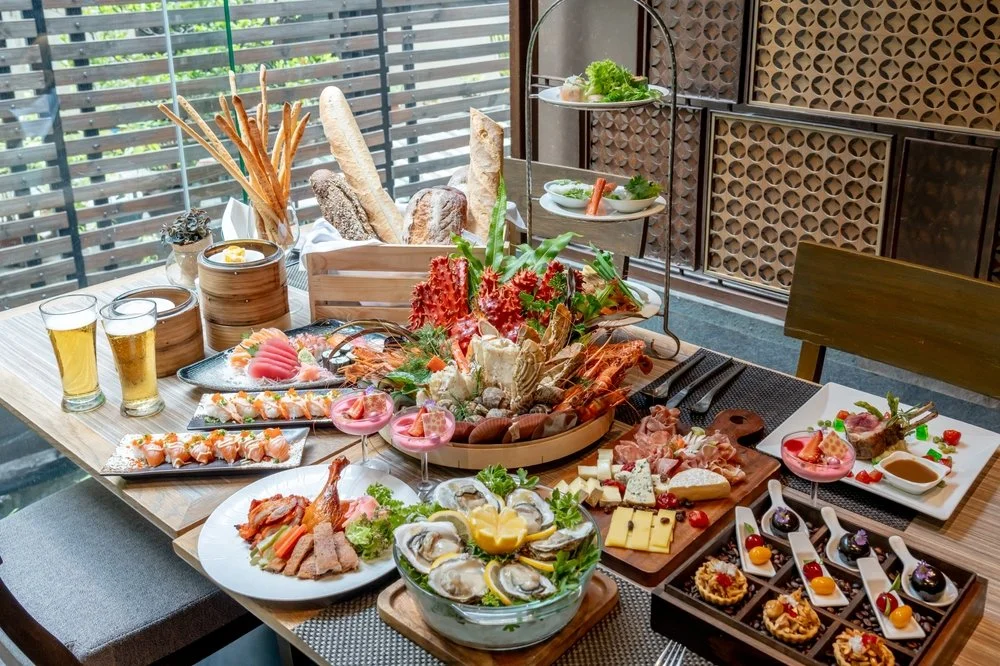
Traveling through Alaska isn’t just about glaciers, wildlife, and sweeping wilderness. It’s also about discovering a culinary landscape shaped by the land itself. The ingredients used here tell a story of creativity and tradition. Alaskan wild cuisine ingredients are deeply tied to the environment. From wild berries to game meats and ocean seafood, Alaska offers flavors that are difficult to find anywhere else. It’s only one of the reasons why this part of the world continues to inspire guests.
The Bounty of Alaska’s Wild Waters
If there was one type of food that defines Alaska, it would have to be the seafood. The state’s icy waters produce some of the most prized fish and shellfish in the world. Salmon is at the heart of many Alaskan meals, prepared in different ways to maximize the flavor profile. Alongside salmon, other fish like halibut and Arctic char bring delicate, buttery flavors that reflect the pristine waters they come from.
For travelers, tasting seafood in Alaska often feels different than anywhere else because it’s so closely tied to the surrounding landscape. It gives them a feeling of truly authentic wilderness dining. It’s not uncommon for seafood to be paired with locally foraged ingredients like tart rhubarb.
Wild Game from the Alaskan Wilderness
Alaska’s forests and tundra provide another cornerstone of the region’s cuisine that include wild game that the region is known for. Animals like moose, caribou, and reindeer have long been important food sources across the state. These meats are typically lean and rich in flavor.
Wild proteins can get paired with unusual components to create unexpected dishes. For example, a chef might pair rich caribou with a tangy glaze made from Alaskan wild cuisine ingredients like blueberries or cranberries. This showcases a perfect balance of savory and sweet. This commitment to using local ingredients is what makes Alaskan cooking so distinctive and exciting.
The Sweet Side of the Wilderness: Wild Berries
Berries are another item used in dishes across Alaska because they are so abundant and versatile. During the short northern summer, the landscape bursts into color as wild berries ripen across forests, hillsides, and tundra. Salmonberries are especially beloved in Alaska. These vibrant orange or golden berries resemble raspberries but offer a unique blend of sweet and tart flavors. They’re often used in desserts, sauces, and jams that capture the taste of the Alaskan summer.
For travelers wandering hiking trails or remote landscapes, spotting these wild berries is part of the authentic Alaskan experience. They can also be used in main course dinners, such as a glaze for grilled fish or a chutney for wild game.
Foraged Plants and Forest Flavors
One of the most fascinating aspects of Alaskan wild cuisine ingredients is the versatility of edible plants that are gathered in nature. Unique plants such as fiddlehead ferns and spruce tips can add unexpected flavors and textures to meals and drinks.
Spruce tips are the green, bright buds found at the end of tree branches. They are especially distinctive and have a surprisingly citrusy flavor profile. They mesh perfectly with salmon and caribou, elevating the taste experience even further. These foraged ingredients highlight the creativity required to cook in such a rugged environment.
Sweeteners and Traditional Staples
Even the sweeter flavors of Alaska come from the land itself. Birch syrup, for example, is made by tapping birch trees in a process similar to maple syrup production. It has a carmel-like taste that can be added to different desserts and glazes.
One of the staples throughout Alaska is the sourdough bread. Recipes are passed down through generations, making it a symbol of the region’s resilience. Over time, foods like this have become part of the region’s culinary identity.
Experiencing Alaskan Wild Cuisine on Your Journey
One of the most exciting parts about Alaska is experiencing how the ingredients of the local land become part of the dining experience. Meals are a reflection of the surrounding wilderness, combining local traditions with the spirit of exploration.
Alaskan wild cuisine ingredients create a food experience that feels inseparable from the landscape itself. For any traveler who wants to explore a deeper connection to the region, experiencing local cuisine is just as memorable as spotting wildlife or fishing along the Bristol Bay Watershed. As part of your experience in Alaska, dining experiences like the one at Fat Bear Lodge allow you to taste the flavors of the wilderness while surrounded by the beauty of the Last Frontier.