
Cabin Versus Tent: What’s Best for Your Adventure Style
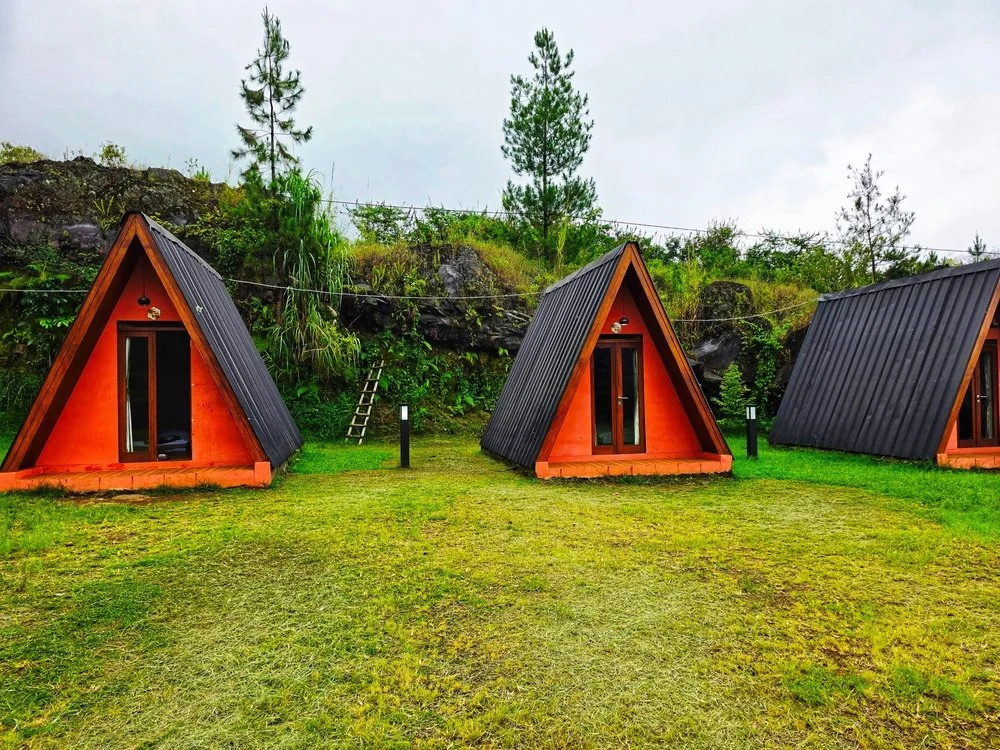
When most people are planning an Alaskan adventure, they aren’t thinking about where they’re going. Rather, they are considering where they will stay upon arrival. In remote regions like Bristol Bay and the Katmai wilderness, your lodging becomes part of the experience itself. Do you lean toward the warmth and structure of a cabin, or the raw, immersive feel of a tent under the northern sky?
The choice between cabin vs. tent lodging isn’t just about comfort. It becomes the cornerstone of your travel experiences, how you’ll interact with the wild, and how you’ll remember the visit. Even years after your visit, you’ll remember everything about your stay. Both options have their place in Alaska’s outdoor culture, and each offers a completely different way to experience the same extraordinary setting.
Comfort And Protection Differences
The main difference between a cabin and a tent has to do with the shelter and how close you want to experience the raw beauty of Alaska. Cabins have a solid structure, bedding, blankets, heating, and other amenities that tents can’t provide. After a long day outdoors, stepping inside a cabin feels like entering a quiet refuge. The unpredictability and randomness of the weather here can give cabins a safer feeling compared to tents.
Staying in a tent means you’re placing yourself directly in the environment. When you’re staying in Alaska, you hear everything. It could be the wind shuffling through the trees or the call of a familiar animal moving through the terrain. However, that closeness also means less separation from the weather. Even high-quality tents require preparation and the right gear to stay comfortable when conditions change.
Weather Conditions For Alaska
Weather is a factor to consider for cabin vs. tent lodging. It can be one of the most defining moments for any Alaska trip. Even in summer, conditions around areas like Katmai can shift quickly from sunny and calm to cold rain or coastal wind. Cabins offer a dependable buffer during those transitions. You can dry gear, warm up, and reset after a wet or chilly day without worrying about setup or breakdown. It gives you an extra feeling of comfort after a day in nature.
Tent lodging can be highly rewarding, but it does take a little more planning around weather conditions. Clear evenings can quickly turn windy or bring heavy rainfall, and temperatures can drop by 20 degrees or more in a matter of hours. For experienced travelers, this unpredictability is part of the appeal. For others, it can add stress that takes away from the overall experience if you’re not fully prepared.
Privacy And Amenities
Cabins give you a more “home away from home” feeling, providing the essentials you need for a comfortable, relaxing experience. You have access to comfortable beds, common areas to enjoy with friends and family, and heating. It gives you a chance to enjoy the visit without giving up the things you like for convenience. In remote Alaska lodges, cabins are often designed to feel simple but comfortable. There is space to unwind, sort gear, and enjoy a bit of solitude after time on the water or trails.
Tents are more of a “minimalist” approach if you enjoy the feeling of total immersion in the wilderness and prioritize self-sufficiency over extra amenities. Your space is defined by your footprint on the ground and your gear inside. There’s a certain simplicity to it, but also less separation between you and your surroundings ( or your travel companions). That can be part of the charm for some travelers, especially those who value a more communal or expedition-style feel.
Who Is Best Suited For A Cabin Or Tent?
If you’re considering cabin vs. tent lodging, it typically comes down to traveler preference. Being able to identify what you value most out of a travel experience is ultimately how you can make your decision.
Cabins are a great choice if you want a balance between nature and comfort. Anglers, wildlife viewers, photographers, or families often appreciate having a stable home base. After long days exploring remote rivers, hiking coastal terrain, or watching wildlife in places like Katmai, a cabin gives you a reliable place to recover and reset.
Tent lodging is geared toward more experienced travelers who really understand the natural world. These are individuals who prioritize mobility and immersion. If you’re comfortable with changing weather, carrying your own gear, and embracing a more hands-on experience, tents can make the wilderness feel even more immediate and personal.
Explore Our Lodging Options At Fat Bear Lodge
For those planning a journey into Bristol Bay or the Katmai region, it’s worth considering what kind of basecamp you want to return to each day. If you’re looking for comfort paired with direct access to the wilderness, exploring lodging near Katmai National Park can be a great place to start. Don’t hesitate to contact us to learn more about the accommodations here at our remote lodge in Alaska.