
How to Measure the Real Impact of Sustainable Practices in Bear Country
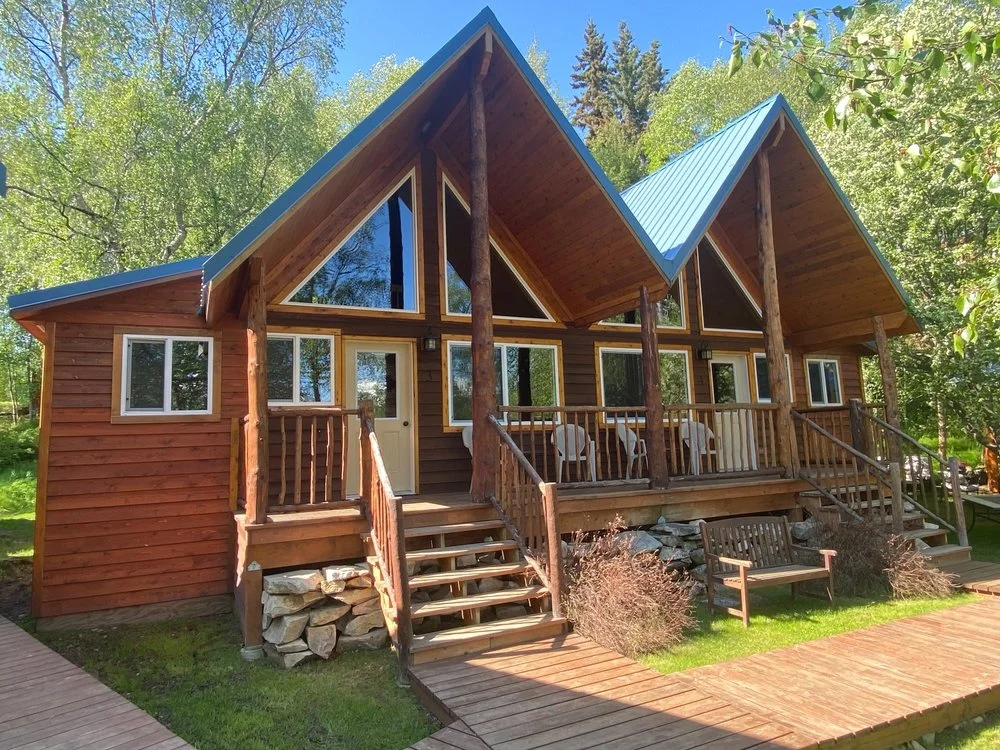
Sustainability is a word we hear a lot, especially when talking about traveling to wild, beautiful places. How does it apply to a remote lodge? How can lodges go beyond good intentions to measure real results? When it comes to measuring sustainability in remote lodges, the goal isn’t perfection. It’s all about making progress. Remote wilderness lodges operate in highly sensitive environments where there’s a deep connection between guests, the land, and the amazing wildlife.
By tracking the right information over time, lodges can better understand their impact and make smarter, more responsible decisions. Below are a few practical ways remote lodges can measure sustainability in meaningful ways.
Tracking Carbon Footprints Without Being Complicated
One of the first steps in measuring sustainability in remote lodges is understanding carbon emissions. This doesn’t have to be complicated or overwhelming.
Carbon footprint tracking looks at emissions from things like:
Lodge operations (heating, electricity, generators)
Transportation of supplies
Guests travel to and from the lodge
While exact numbers can be hard to pin down in remote areas, even rough estimates are helpful. They show patterns over time and point out where improvements can be made. Here’s a good example. Coordinating guest transportation can significantly lower emissions. Tracking these changes year after year helps lodges see what’s working and what isn’t.
Watching Wildlife as a Sustainability Indicator
The heartbeat of any remote lodge visit is the incredible wildlife guests get to observe and respect. Animals don’t read sustainability reports, but their behavior can tell us a lot. Wildlife observation data is one of the most valuable tools for measuring sustainability in remote lodges. Guides and staff can track movements in animal populations and health, migration patterns, nesting behavior, seasonal changes, and much more.
Over time, this data can show how animals respond to human activity. Are certain species avoiding specific areas? Have behaviors changed after new trails, buildings, or guest activities were introduced?
Even small adjustments can make a major impact on the surrounding environment and its inhabitants. When you have healthy, consistent wildlife populations, it’s a clear sign that sustainability efforts are working. This data is a natural measure of success that goes far beyond looking at a spreadsheet.
Inviting Guests to Be Part of the Solution
Guests visiting a remote Alaska wilderness lodge are immediately immersed in the incredible landscape around them. They become part of the bigger picture. Many lodges offer conservation-focused initiatives that allow travelers to give back by supporting local wildlife research and habitat protection. Measuring guest engagement with these programs provides a clear metric for the social dimension of sustainability.
A well-managed remote lodge isn’t open just for business. It operates as a thoughtful participant in a fragile ecosystem. In settings like these, every person plays a role in helping future generations enjoy the beauty Alaska offers. Small reductions in waste by one guest or quiet wildlife observation by another all contribute to the overall health of the environment.
In places like this, collective and conscious effort is the difference between preserving a delicate balance and disrupting it. This shared responsibility becomes inherent, meaning that measuring true impact is a community effort.
Why Measuring Sustainability Truly Matters
Measuring sustainability in remote lodges isn’t just about protecting wildlife, but also about protecting the guest experience. When ecosystems are carefully monitored, respected, and protected, visitors can continue to witness brown bears fishing for salmon, paddle quiet waterways, and enjoy world-class trout fishing year after year.
A healthy ecosystem means clean air and water for the animals to roam, and a stunning backdrop for guests to experience all the magic the environment has to offer. By committing to best sustainable practices, lodge operators can make better operational decisions, adapt to environmental changes, build trust with their guests, and (most importantly) give future generations something to look forward to.
Moving Forward With Purpose: Fat Bear Lodge Gives Back To Alaska
Measuring sustainability in remote lodges doesn’t require complex systems or technical language. It starts with paying attention, staying curious, and being willing to learn from the land itself. If you’d like to learn more about how these ideas are put into action and how conservation efforts support wildlife and guests, visit Fat Bear Cares and see how sustainability is being thoughtfully maintained in bear country.