
What Should HR Teams Consider When Planning a Corporate Retreat
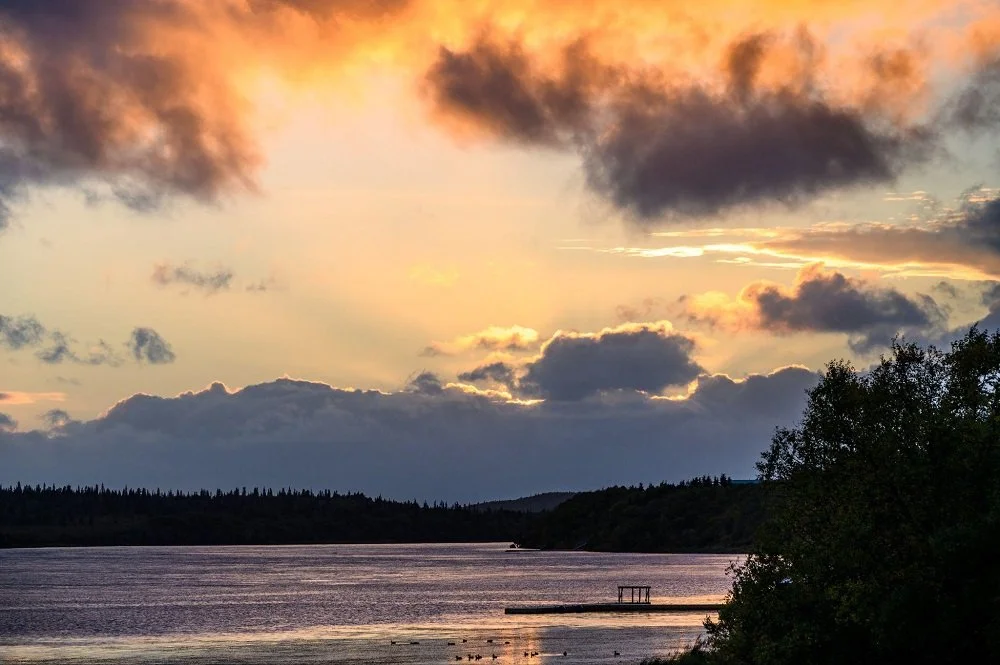
Planning a corporate retreat takes more than choosing a date and gathering everyone in one place. HR teams need to think about what will make the experience worthwhile for employees. It's important to choose an environment where everyone can step away from their usual routines. The right setting can play a big role, especially when a retreat brings a team to a beautiful and remote place in Alaska.
Alaska offers a refreshing change of scenery, with expansive landscapes and a slower pace that can be a much different pace of life than the corporate world. As you begin your corporate retreat planning, consider what your team needs to feel comfortable and connected throughout the experience. A thoughtful approach can help create a retreat that feels productive without losing the sense of adventure that makes an Alaska getaway memorable.
What You’ll Learn
Define your retreat goal and desired outcomes before choosing a destination.
Consider what accommodations and activities will best suit your team.
Create an inclusive and comfortable experience for everyone attending.
Balance professional development with recreation and downtime.
Start With a Clear Vision for Your Corporate Retreat
It's important to understand what you want your retreat to accomplish before making your plan. Corporate retreat planning is easier when HR teams have a clear purpose in mind. Think about what employees should take away from the experience and what would make the retreat feel worthwhile for the organization. Is it something they would want to do again?
Your budget should support those goals without becoming the only deciding factor. Consider the overall experience you want to provide. Set realistic expectations before making major decisions. Is it worth it to spend a little more to ensure employees take something away from the trip?
It can also help to identify a few simple ways to measure whether the retreat was successful. These might include employee feedback and progress toward the goals established before the trip.
When the purpose and budget are clear, selecting a destination becomes much easier. An Alaska setting can offer a memorable change of scenery, but the destination should ultimately support the experience your team hopes to create.
Choosing the Right Setting for Your Team
The right setting can make all the difference with the employees and give them something to talk about afterward. Start by considering the type of accommodations your group needs, including space to relax after a full day and areas where everyone can gather.
Remote Alaskan lodges can have options that range from private cabins to shared spaces designed for larger groups. Cabins, yurts, and guesthouses offer unique accommodations and common space for group meals and meetings.
Transportation is another important consideration, particularly when planning a retreat in a remote area. Think about how employees will get to the destination and how they will move around once they arrive.
Finally, choose activities that give your team opportunities to connect without making everyone participate in the same way. Outdoor experiences such as fishing, bear viewing, or a guided tour can provide natural opportunities for conversation and teamwork while allowing employees to enjoy Alaska at their own pace.
Creating a Retreat Everyone Can Enjoy
Corporate retreat planning should be all about inclusivity. The whole point is to bring everyone together without feeling pressured. Consider the different needs and comfort levels of everyone attending. Giving employees a chance to share concerns or accommodations ahead of time can help avoid surprises once the retreat starts.
Accessibility is another important consideration, particularly when choosing an Alaska destination. A little preparation can make the experience more comfortable for everyone. Comfort also means allowing employees some flexibility. Not everyone will want to participate in every activity, and that is okay. Providing opportunities to take a break or enjoy some quiet time can help people feel more relaxed and feel like they're in control.
A well-planned retreat should give everyone the opportunity to feel included and valued throughout the experience.
Making Time for Work and Relaxation
Corporate retreats are built with purpose in mind. However, they should not feel like a few days of meetings just in a different location. Professional development sessions can be valuable, especially when employees have time to process what they learn and connect with coworkers in a more relaxed setting.
It's important to consider leaving room for:
Focused sessions without overloading the day.
Free time between planned activities.
Opportunities to enjoy the surrounding Alaska scenery.
Casual time for employees to connect and share common ideas.
A little breathing room can make the entire retreat feel more enjoyable. Employees may be more engaged during professional sessions when they know there is time afterward to unwind or take part in the unique Alaska excursions.
The goal is to create a rhythm that feels natural rather than filling every hour of the itinerary. Giving employees space to enjoy the experience can make the retreat feel less like another work obligation. It feels like a meaningful getaway.
Corporate Retreat Planning for Your Alaska Getaway
Planning a corporate retreat in Alaska can give your team a chance to step away from the usual routine and enjoy a different pace. If you're considering corporate retreats in Alaska, Fat Bear Lodge offers a setting where teams can gather and experience the surrounding wilderness. A thoughtful plan can help create an experience employees will remember long after they return home.