
Best Time of Year for Alaska Bear Watching in Katmai National Park
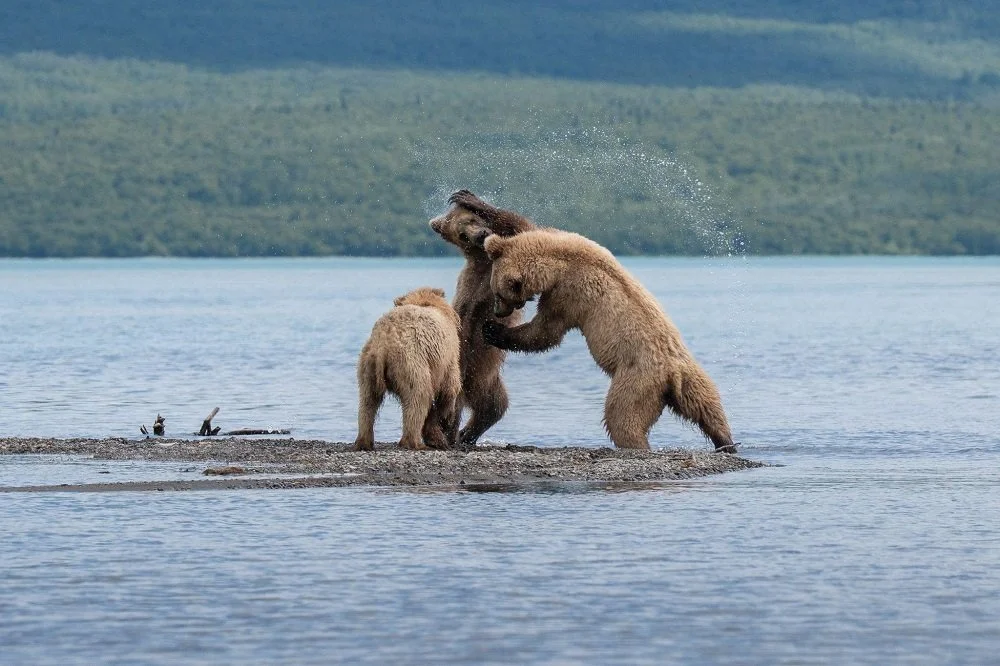
Planning a trip to Katmai National Park is exciting, but choosing when to visit can make all the difference in your experience. The best time for bear watching in Alaska depends on seasonal changes that influence where brown bears gather and how active they are. From spring through fall, each season offers unique opportunities to experience Alaska's remarkable wildlife and breathtaking scenery. Katmai's changing landscapes and abundant natural resources make it a highly recognized and popular place to see these amazing animals.
Katmai National Park is considered one of the world's premier destinations for viewing brown bears. The park is home to an estimated 2,200 brown bears, supported by healthy salmon runs and protected ecosystems that allow wildlife to thrive with minimal human disturbance. Whether you're planning your first visit or returning for another adventure, understanding how bear activity changes throughout the seasons helps visitors choose the ideal time for their Alaskan adventure.
What You’ll Learn
Learn how bear activity changes throughout the seasons in Katmai National Park and what you can expect during each time of year.
Explore the differences between late spring, summer, and fall bear viewing experiences and how each season offers unique opportunities.
Understand how salmon runs impact bear behavior and influence the best times for wildlife viewing.
Discover how weather conditions and timing can affect your overall bear-watching experience and chances for great photography.
Overview of Bear Activity Seasons in Katmai National Park
Katmai National Park is a remarkable place to observe brown bears in their daily routine and natural habitat. The bear-watching season typically runs from June through September. Each part of the season offers a different perspective on bear activity. Choosing the best time for bear watching in Alaska depends on what type of experience you hope to have. It could mean bears actively fishing for salmon or watching them prepare for the colder months ahead.
During late spring, June marks the beginning of the bear viewing season. Bears become more active and explore the landscape in search of food and nourishment. Summer brings warmer weather and increased activity. In July, bears gather in areas with abundant food sources. By late August and September, bears are often focused on preparing for winter.
Key seasonal differences include:
Late Spring (June): Bears are becoming more active after winter and can often be seen exploring rivers and coastal areas.
Summer (July): Longer daylight hours and warmer conditions make this a popular time for viewing bears as they move throughout the park.
Late Summer/Fall (Late August–September): Bears are preparing for winter, and seasonal food sources create opportunities to witness important feeding behaviors.
Each season provides a unique way to experience Katmai’s incredible wildlife and the natural rhythms of their incredible behaviors.
Salmon Runs: The Heart of Katmai’s Bear-Watching Experience
Salmon runs are one of the biggest highlights of visiting Katmai National Park. They also play a major role in bear behavior. As salmon return to the rivers, brown bears gather in these areas to take advantage of this important food source. The abundance of salmon allows visitors to witness bears fishing and interacting in their natural environment.
The timing of salmon runs can help determine the best time for bear watching in Alaska, especially for those hoping to see bears actively searching for food. July is widely recognized as one of the busiest times of the year where you'll see many bears actively on the hunt for salmon.
Salmon runs influence where bears spend their time and how they move throughout the park. This natural event creates an unforgettable wildlife experience and gives visitors a closer look at the connection between Alaska’s landscape and the iconic brown bears.
Weather and Daylight Considerations
Weather and daylight hours can play an important role for bear viewing in Katmai National Park. Summer months typically bring longer days. This gives visitors more time to explore and capture memorable moments. Alaska’s weather can change in an instant. Preparing for cooler temperatures and rain should always be in the back of your mind.
Timing your visit carefully allows you to experience Katmai’s brown bears when conditions are most favorable. Whether you are hoping to photograph bears fishing, or interacting with their surroundings, choosing the right part of the year makes it much more exciting.
Plan Your Katmai Bear Viewing Adventure from Fat Bear Lodge
Fat Bear Lodge offers a convenient location for unforgettable wildlife adventures and is just outside the western border of Katmai National Park. Learn more about planning your trip and opportunities for bear viewing in Katmai National Park. With easy access to the surrounding wilderness, Fat Bear Lodge provides a comfortable base for exploring one of Alaska’s most renowned bear viewing experiences.
Frequently Asked Questions
When is the best time to visit Katmai National Park?
The best time to visit is typically from June through September when bears are active and visitors have excellent opportunities for wildlife viewing.
What can I expect from a bear lodge stay near Katmai National Park?
A nearby bear lodge offers a comfortable place to stay with convenient access to Alaska’s wilderness and unforgettable bear viewing experiences.
Why are there so many brown bears in Katmai National Park?
Katmai’s protected wilderness and seasonal salmon runs create the perfect environment for a large brown bear population.